

-
Ti Series
Ti Classic Series
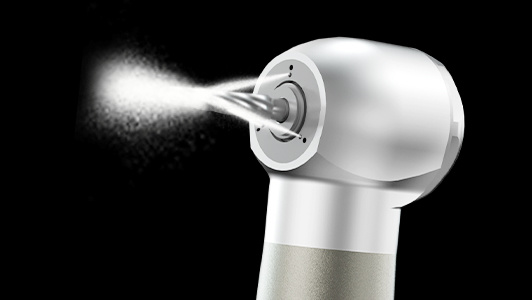
Ti1 M4/B2 (Mini Head)
4
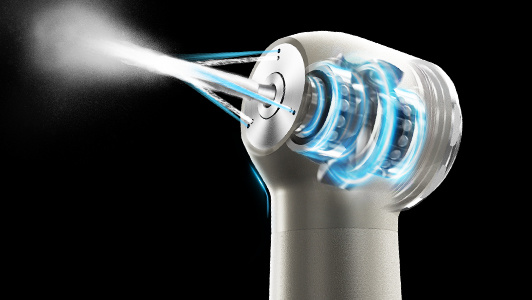
Ti2 M4/B2 (99° Head)
4

Ti3 M4/B2 (Torque Head)
4
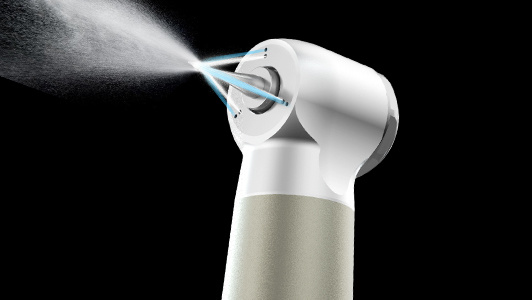
Ti4 M4/B2 (Super Mini Head)
4
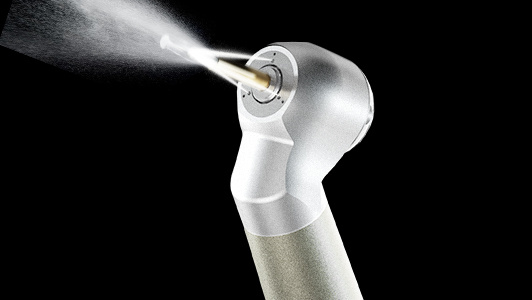
Ti45 M4/B2 (45°Head)
4
Max3 Series
M Series
C Series
Ti Low Speed Series
External Cooling
Internal Cooling
Dental Equipments
Handpiece Accessories
Contra Angle Head(Aluminum)
Contra Angle Head(Stainless Steel)
Endodontic File
-
-
-

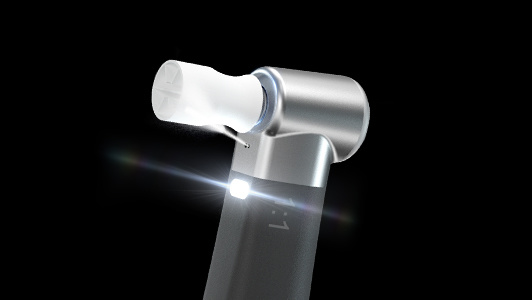
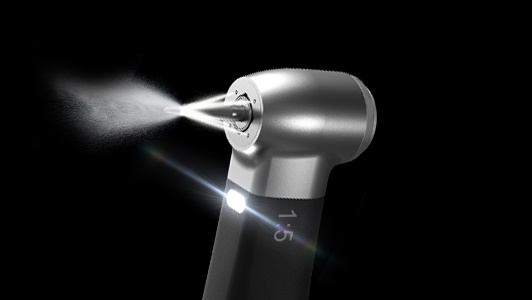
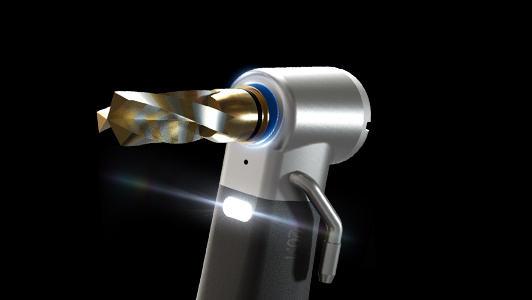
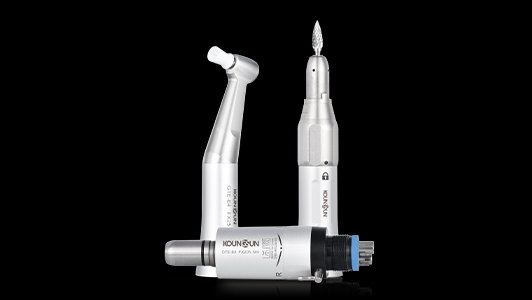
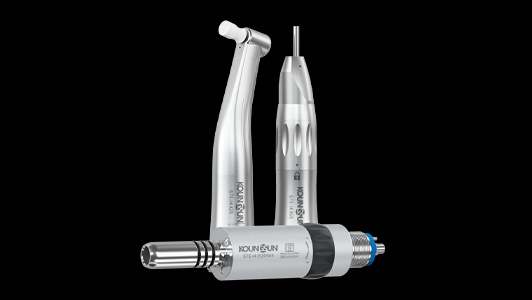
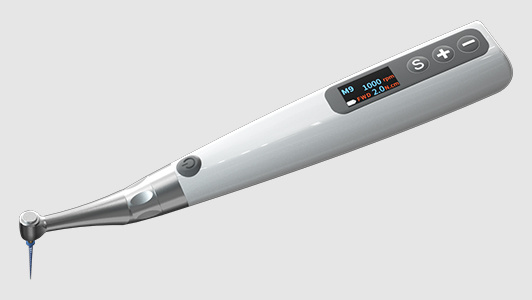
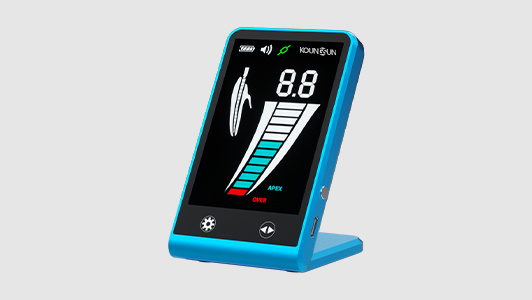
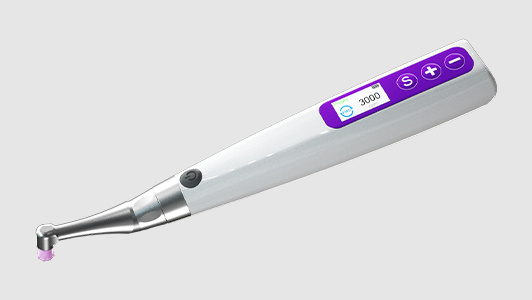


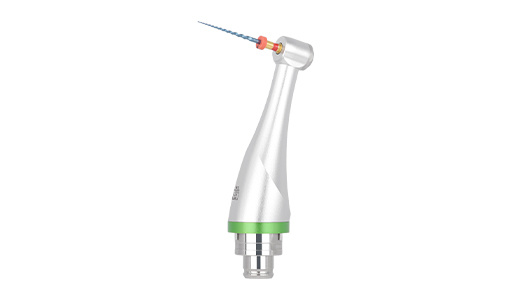
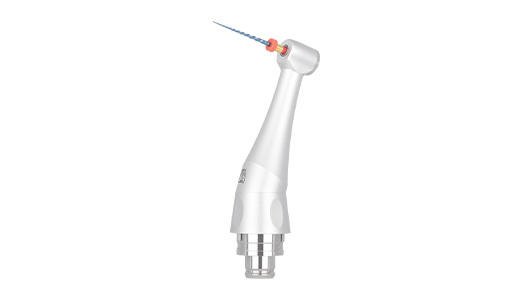
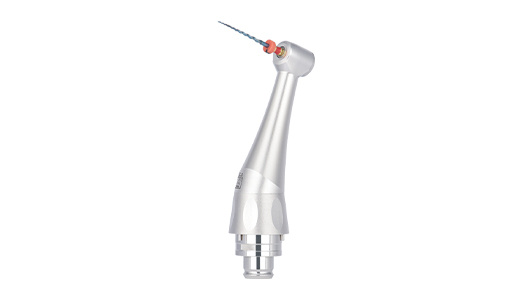
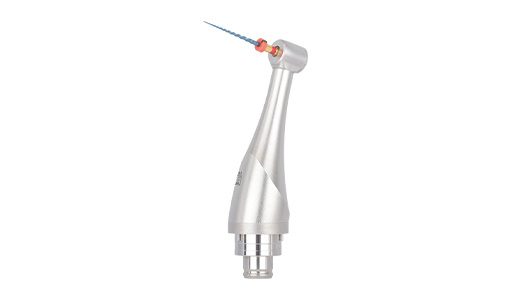
Endo Motor vs Air-Driven Handpiece for Root Canal Treatment: Which Is More Efficient?
2026-04-13
Introduction
Root canal treatment requires precision, control, and efficiency. Traditionally, dentists relied on air-driven handpieces or manual instruments for canal preparation. However, with the advancement of endodontic technology, dedicated endodontic motors have become increasingly popular in modern dental practices.
This article compares endo motors and air-driven handpieces in terms of efficiency, safety, and clinical performance, helping dentists and distributors understand which solution better suits today’s clinical demands.
Understanding the Two Systems
Air-Driven Handpiece
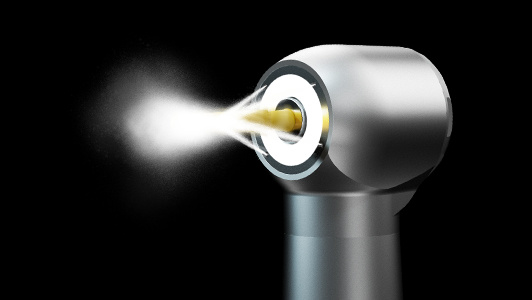
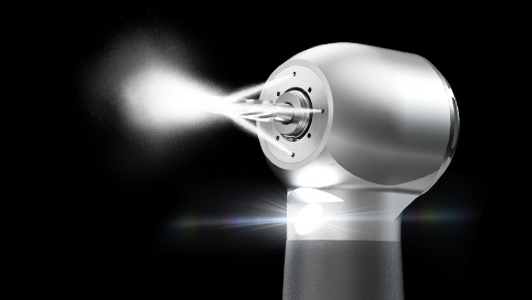
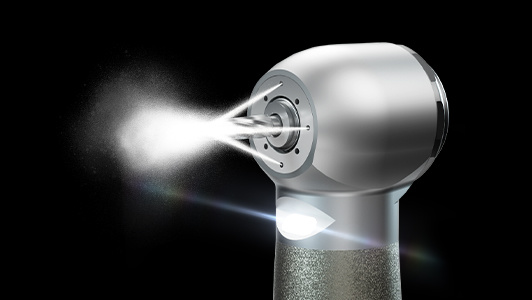
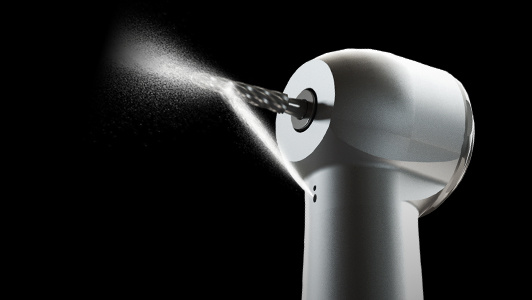
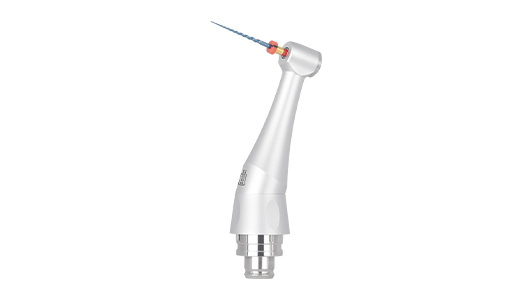
Air-driven handpieces operate using compressed air to generate rotational force. They are commonly used in general dental procedures and can also be adapted for certain endodontic tasks.
Endodontic Motor
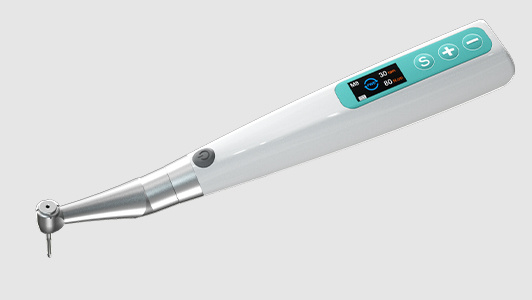
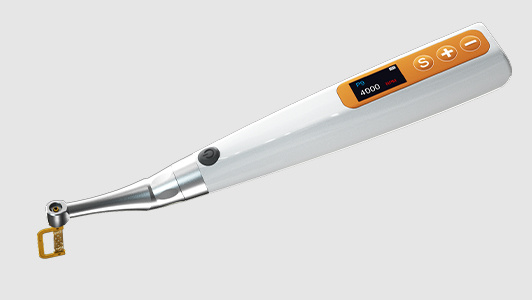
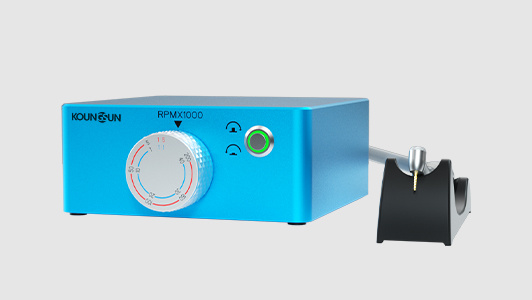
An endodontic motor is specifically designed for root canal treatment. It provides controlled speed and torque, ensuring safe and consistent canal shaping.
Modern systems such as the E390 Endo Motor are built to optimize performance in endodontic procedures with intelligent control features.
👉 View product details:
https://www.koungsundental.com/products_details/E390.html
Efficiency Comparison
| Feature | Air-Driven Handpiece | Endo Motor |
|---|---|---|
| Speed Control | Limited | Precise adjustable |
| Torque Control | Not available | Accurate torque settings |
| Workflow Efficiency | Moderate | High |
| Procedure Time | Longer | Shorter |
| Consistency | Variable | Stable |
Endodontic motors significantly reduce preparation time by maintaining stable rotational parameters, allowing dentists to work more efficiently across different cases.
Safety Comparison
Air-Driven Handpiece Limitations
Air-driven systems lack torque control, which can lead to:
- Excessive stress on files
- Increased risk of file separation
- Less predictable shaping outcomes
Endo Motor Advantages
Endo motors are designed with safety in mind. Key features include:
- Auto-reverse function
- Torque limit protection
- Controlled rotational movement
Devices like the E390 Endo Motor help minimize instrument stress and improve procedural safety.
Precision and Clinical Control
Precision is essential in root canal treatment, especially in complex canal anatomies.
Endodontic motors provide:
- Stable rotation
- Better control in curved canals
- Consistent shaping results
In contrast, air-driven handpieces may produce variable speed depending on air pressure, which can affect treatment accuracy.
Ergonomics and Operator Fatigue
Long procedures can strain the clinician’s hand and wrist.
Endo motors offer:
- Smooth operation
- Reduced vibration
- Less repetitive motion
This improves comfort and allows better focus during treatment.
Clinical Applications
When Air-Driven Handpieces Are Used
- General dental procedures
- Limited endodontic applications
- Situations where specialized equipment is unavailable
When Endo Motors Are Preferred
- Root canal shaping
- Rotary NiTi file systems
- High-precision endodontic treatments
Most modern clinics use endo motors as the primary solution for canal preparation.
Cost vs Long-Term Value
While air-driven handpieces may have lower initial costs, endodontic motors provide better long-term value through:
- Reduced instrument breakage
- Improved efficiency
- Lower chair time
- More predictable results
For growing clinics, investing in a dedicated endo motor often leads to higher overall returns.
Why the Market Is Shifting Toward Endo Motors
Global dental trends indicate a clear shift toward motorized endodontics due to:
- Increased demand for efficiency
- Higher expectations for treatment outcomes
- Adoption of rotary NiTi systems
- Growth of modern dental workflows
Reliable systems such as the E390 are designed to support these evolving clinical needs.
Conclusion
While air-driven handpieces still play a role in general dentistry, they are not optimized for modern root canal procedures. Endodontic motors offer clear advantages in efficiency, safety, and precision.
For clinics aiming to improve treatment consistency and workflow efficiency, adopting a dedicated system like the E390 Endo Motor is a practical step toward modernization.
👉 Learn more:
https://www.koungsundental.com/products_details/E390.html
Previous:
Related News
Contact Us
Email:
info@koungsundental.com
Hotline:
+86-0757-81011906
Company Address:
4th floor, B elevator, Building F3, New Light Source Industrial Base, Nanhai District, Foshan City, Guangdong Province
Online Message
Leave us a message and get access to exclusive offers, product updates, and expert advice tailored just for you!
Contact Email:
Copyright © 2024 Foshan Koungsun Medical Technology Co., Ltd. SEO Powered By: 300.cn Privacy Policy
SAF Coolest v1.3.1.2 设置面板 GAGSD-ZGYF-JQZQE-ZZQ
V1.3.1 SVG图标库请自行添加图标,用div包起来,并命名使用

Get in touch
Are you interested in our products or services? Contact us immediately, our experts will provide you with professional services!
*Please leave your specific personal information, and we will have a product consultant contact you later
Address
4th floor,B Elevator,Building F3,New Light Source Industrial Base,Nanhai District,Foshan City,Guangdong Province,China