

-
Ti Series
Ti Classic Series
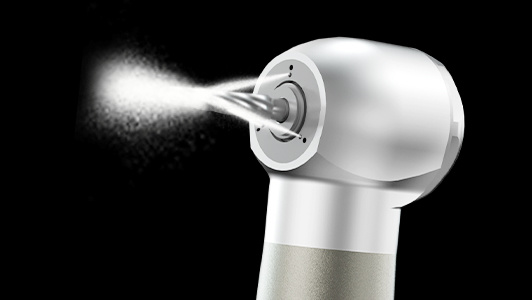
Ti1 M4/B2 (Mini Head)
4
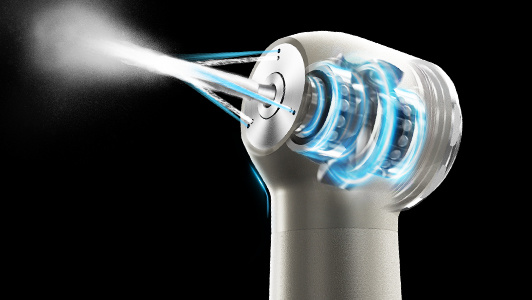
Ti2 M4/B2 (99° Head)
4

Ti3 M4/B2 (Torque Head)
4
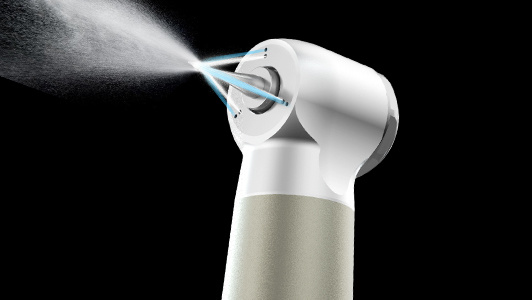
Ti4 M4/B2 (Super Mini Head)
4
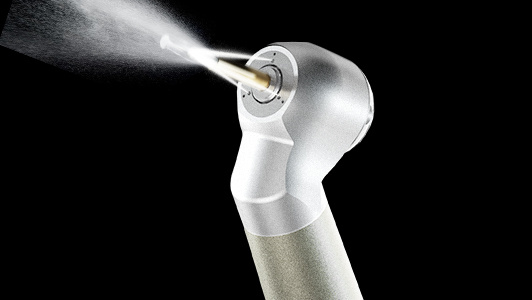
Ti45 M4/B2 (45°Head)
4
Max3 Series
M Series
C Series
Ti Low Speed Series
External Cooling
Internal Cooling
Dental Equipments
Handpiece Accessories
Contra Angle Head(Aluminum)
Contra Angle Head(Stainless Steel)
Endodontic File
-
-
-

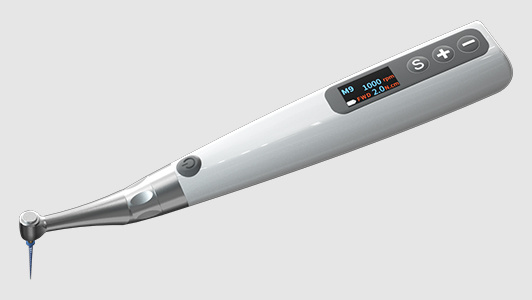
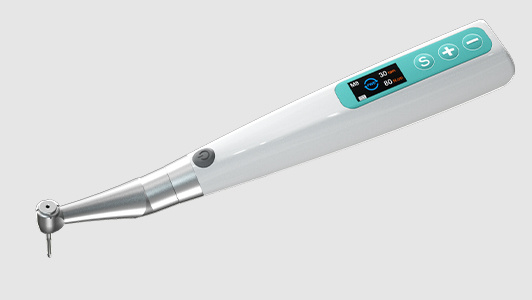
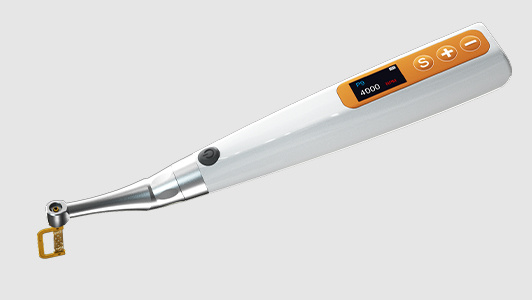
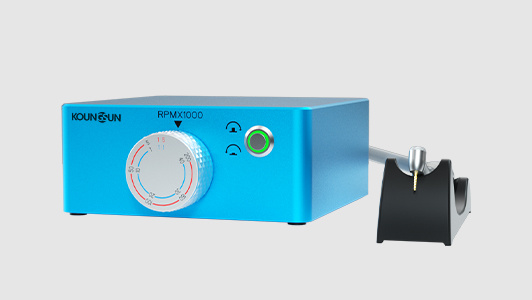


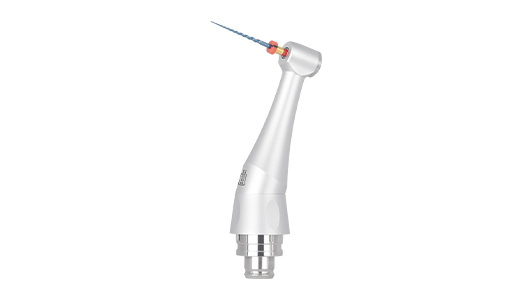
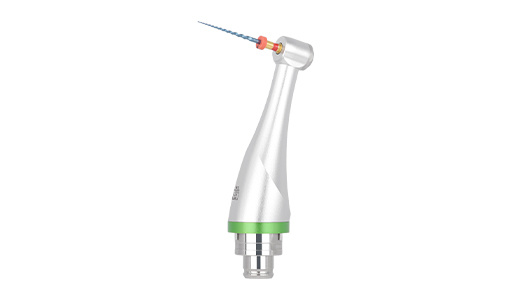
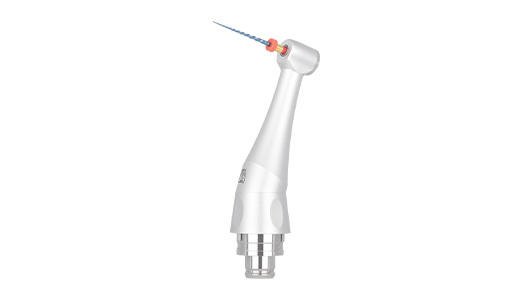
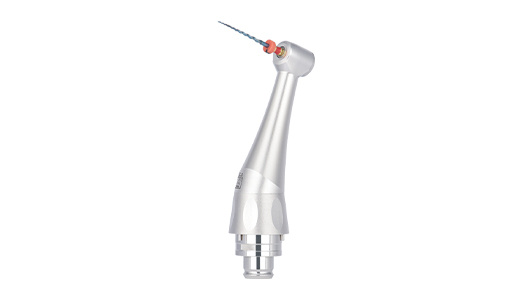
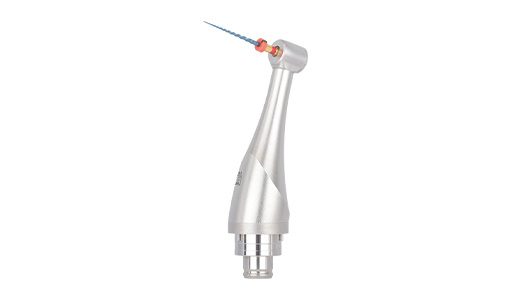
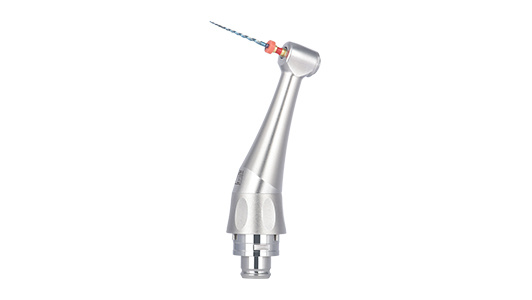
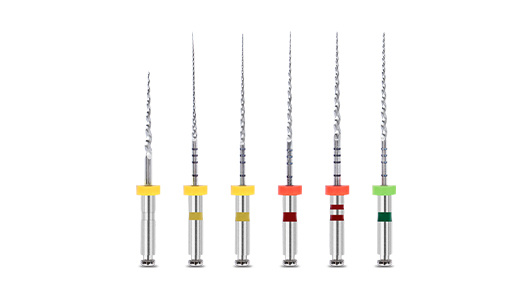
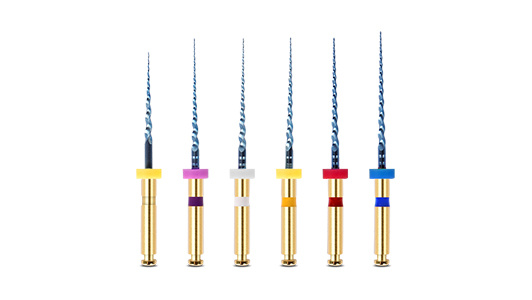
Endo Motor vs Manual Root Canal Preparation: Efficiency and Safety Comparison
2026-04-03
Introduction
Root canal treatment has evolved significantly over the past decades. While manual instrumentation was once the standard approach, modern dentistry increasingly relies on endodontic motors to improve efficiency, safety, and clinical consistency.
Understanding the differences between manual root canal preparation and motor-driven systems helps dental professionals choose the most effective workflow for predictable treatment outcomes.
Manual Root Canal Preparation: Traditional but Technique-Dependent
Manual preparation involves hand files operated entirely by the clinician’s tactile control. Although still used in certain clinical situations, this method presents several limitations.
Advantages of Manual Preparation
- Low initial equipment investment
- Strong tactile feedback
- Suitable for simple or narrow canals
Limitations
However, manual techniques depend heavily on operator skill and experience. Common challenges include:
- Increased treatment time
- Operator fatigue during complex cases
- Higher risk of inconsistent canal shaping
- Greater possibility of file separation due to uneven force
As patient expectations and clinical workloads increase, efficiency becomes a critical factor for modern practices.
Endodontic Motor Preparation: Modern Precision and Control
Endodontic motors automate rotational movement while maintaining controlled torque and speed. This technological advancement allows clinicians to work more safely and efficiently.
Key Advantages
1. Consistent Torque Control
Endo motors maintain stable torque levels, reducing stress on NiTi files and minimizing fracture risk.
2. Improved Efficiency
Motor-driven instrumentation significantly shortens preparation time, allowing clinics to treat more patients without compromising quality.
3. Enhanced Safety Features
Modern systems include:
- Auto-reverse functions
- Auto-stop protection
- Preset program modes
These features help prevent procedural errors and improve treatment predictability.
Advanced solutions such as the E390 Endo Motor integrate intelligent torque management and smooth operation designed for modern clinical workflows.
👉 Explore full specifications:
https://www.koungsundental.com/products_details/E390.html
Efficiency Comparison
| Factor | Manual Preparation | Endo Motor |
|---|---|---|
| Treatment Speed | Slower | Faster |
| Consistency | Operator-dependent | Highly consistent |
| Fatigue Level | Higher | Reduced |
| Workflow Efficiency | Limited | Optimized |
| Learning Curve | Steep | Easier with presets |
Endodontic motors allow clinicians to maintain standardized procedures across cases, improving overall clinic productivity.
Safety Comparison
Safety remains one of the most important considerations in root canal treatment.
Manual Technique Risks
- Uneven pressure application
- File torsion stress
- Greater likelihood of procedural deviation
Endo Motor Safety Benefits
Motorized systems regulate rotational forces automatically, protecting both instruments and tooth structures.
Stable performance systems like the E390 Endo Motor help clinicians maintain controlled shaping even in complex canals.
Clinical Comfort and Ergonomics
Long procedures can lead to hand fatigue when using manual files continuously. Endodontic motors reduce repetitive wrist movement and provide smoother handling.
Benefits include:
- Better ergonomics
- Improved concentration
- Greater procedural precision
This ergonomic advantage becomes especially valuable in high-volume clinics.
When Manual Preparation Still Plays a Role
Despite technological advances, manual instrumentation is still useful in specific scenarios:
- Initial canal negotiation
- Extremely curved canals
- Glide path creation
In modern practice, many clinicians adopt a hybrid workflow combining manual techniques with motor-driven shaping.
Why Clinics Are Transitioning to Endodontic Motors
Global dental trends show increasing adoption of motorized endodontics due to:
- Growing demand for efficient treatments
- Increased patient expectations
- Need for predictable outcomes
- Reduced instrument failure rates
Clinics seeking consistency and long-term efficiency increasingly integrate advanced systems like the E390 into daily practice.
Conclusion
While manual root canal preparation remains part of endodontic practice, endodontic motors offer clear advantages in efficiency, safety, and clinical consistency.
By combining controlled torque, automated protection features, and ergonomic operation, modern endo motors help dentists deliver more predictable outcomes while improving workflow efficiency.
For clinics looking to upgrade their endodontic procedures, the E390 Endo Motor represents a reliable and practical solution designed for modern dentistry.
👉 Learn more here:
https://www.koungsundental.com/products_details/E390.html
Previous:
Related News
Contact Us
Email:
info@koungsundental.com
Hotline:
+86-0757-81011906
Company Address:
4th floor, B elevator, Building F3, New Light Source Industrial Base, Nanhai District, Foshan City, Guangdong Province
Online Message
Leave us a message and get access to exclusive offers, product updates, and expert advice tailored just for you!
Contact Email:
Copyright © 2024 Foshan Koungsun Medical Technology Co., Ltd. SEO Powered By: 300.cn Privacy Policy
SAF Coolest v1.3.1.2 设置面板 GAGSD-ZGYF-JQZQE-ZZQ
V1.3.1 SVG图标库请自行添加图标,用div包起来,并命名使用

Get in touch
Are you interested in our products or services? Contact us immediately, our experts will provide you with professional services!
*Please leave your specific personal information, and we will have a product consultant contact you later
Address
4th floor,B Elevator,Building F3,New Light Source Industrial Base,Nanhai District,Foshan City,Guangdong Province,China