

-
Ti Series
Ti Classic Series
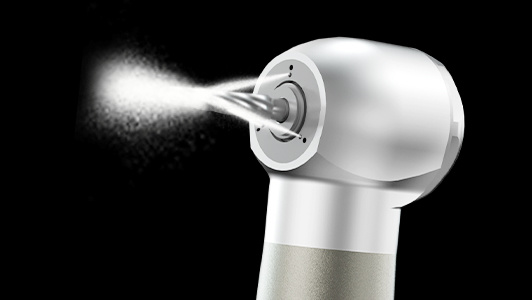
Ti1 M4/B2 (Mini Head)
4
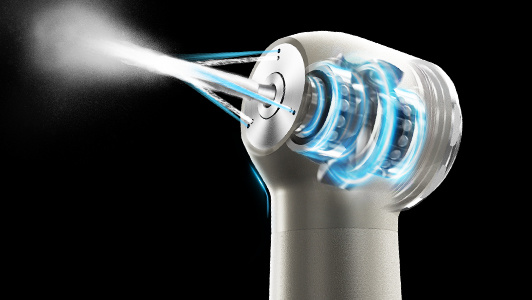
Ti2 M4/B2 (99° Head)
4

Ti3 M4/B2 (Torque Head)
4
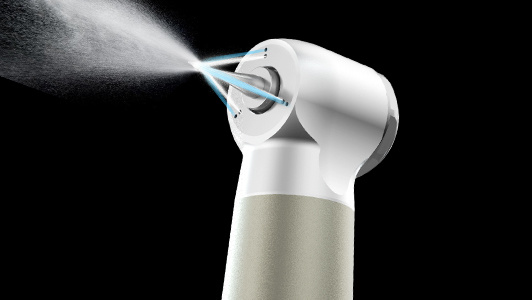
Ti4 M4/B2 (Super Mini Head)
4
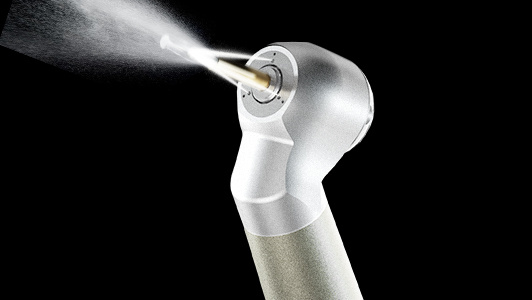
Ti45 M4/B2 (45°Head)
4
Max3 Series
M Series
C Series
Ti Low Speed Series
External Cooling
Internal Cooling
Dental Equipments
Handpiece Accessories
Contra Angle Head(Aluminum)
Contra Angle Head(Stainless Steel)
Endodontic File
-
-
-



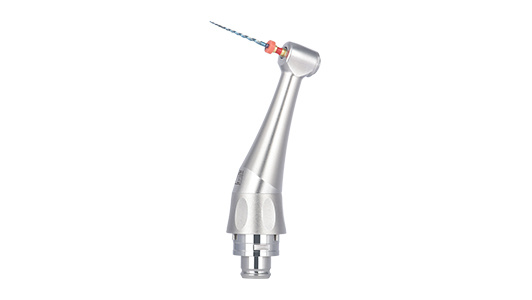
How to Choose an Endodontic Motor for Your Dental Clinic
2026-03-26
Introduction
Selecting the right endodontic motor is a critical decision for dental clinics performing root canal treatments. With various models available on the market, dentists must evaluate performance, safety features, usability, and long-term reliability before investing in equipment.
A well-chosen endo motor not only improves clinical efficiency but also reduces procedural risks and enhances treatment outcomes.
1. Torque Control and Safety Protection
One of the most important features in an endodontic motor is precise torque control.
During canal preparation, excessive torque may lead to file separation — one of the most common complications in endodontics. Modern motors automatically adjust or stop rotation when resistance exceeds preset values.
Clinics should look for:
- Adjustable torque settings
- Auto-stop or reverse functions
- Stable motor response
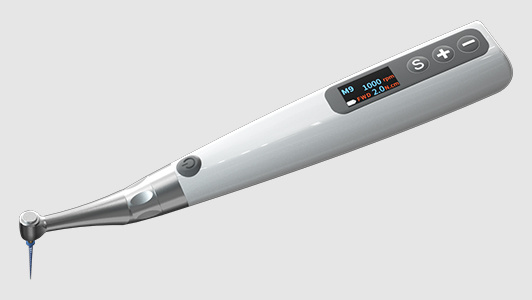
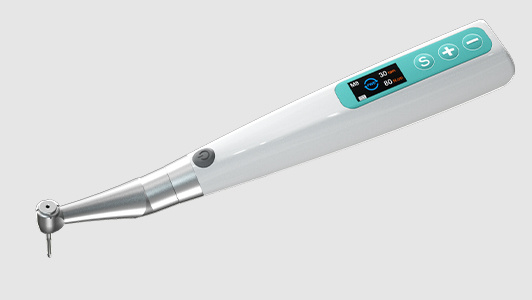
Advanced systems such as the E390 Endo Motor integrate intelligent torque management to help clinicians work safely and confidently.
👉 Learn more about the system here:
https://www.koungsundental.com/products_details/E390.html
2. Compatibility with NiTi File Systems
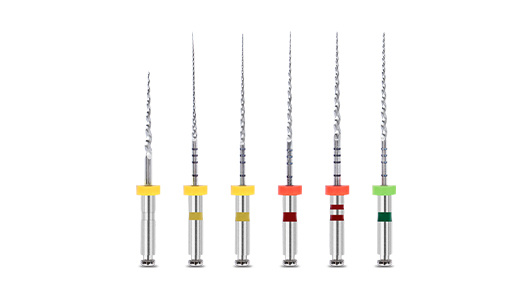
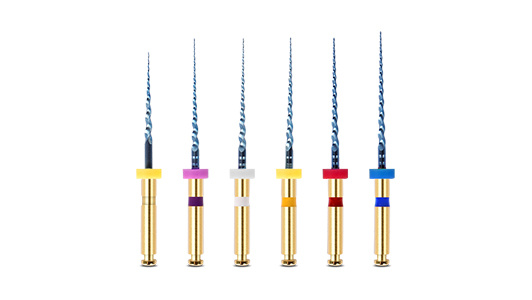
Different rotary file systems require specific speed and motion parameters. A versatile motor should support multiple operation modes to adapt to various clinical techniques.
Key considerations include:
- Wide speed range
- Multiple motion options
- Preset programs for common systems
Flexibility ensures the device remains useful even as treatment techniques evolve.
3. Ergonomics and Clinical Comfort
Root canal procedures can be lengthy, making ergonomics extremely important.
A lightweight handpiece design allows:
- Better tactile control
- Reduced wrist fatigue
- Improved precision
User-friendly interfaces also help assistants and new clinicians operate the system efficiently.
4. Stability and Noise Reduction
Smooth operation improves both dentist focus and patient comfort. Motors engineered for low vibration provide better tactile feedback and more accurate canal shaping.
Clinics should prioritize motors designed for consistent performance during extended procedures.
5. Long-Term Reliability and Service Support
Beyond specifications, reliability determines long-term value.
Consider:
- Availability of spare parts
- Manufacturer technical support
- Maintenance simplicity
Reliable after-sales support reduces downtime and operating costs.
Conclusion
Choosing an endodontic motor is not simply about price — it is about safety, efficiency, and long-term clinical performance. Evaluating torque control, ergonomics, compatibility, and reliability ensures clinics invest in equipment that supports predictable root canal treatment.
For a detailed example of a modern solution, explore the E390 Endo Motor product page.
Previous:
Related News
Contact Us
Email:
info@koungsundental.com
Hotline:
+86-0757-81011906
Company Address:
4th floor, B elevator, Building F3, New Light Source Industrial Base, Nanhai District, Foshan City, Guangdong Province
Online Message
Leave us a message and get access to exclusive offers, product updates, and expert advice tailored just for you!
Contact Email:
Copyright © 2024 Foshan Koungsun Medical Technology Co., Ltd. SEO Powered By: 300.cn Privacy Policy
SAF Coolest v1.3.1.2 设置面板 GAGSD-ZGYF-JQZQE-ZZQ
V1.3.1 SVG图标库请自行添加图标,用div包起来,并命名使用

Get in touch
Are you interested in our products or services? Contact us immediately, our experts will provide you with professional services!
*Please leave your specific personal information, and we will have a product consultant contact you later
Address
4th floor,B Elevator,Building F3,New Light Source Industrial Base,Nanhai District,Foshan City,Guangdong Province,China