

-
Ti Series
Ti Classic Series
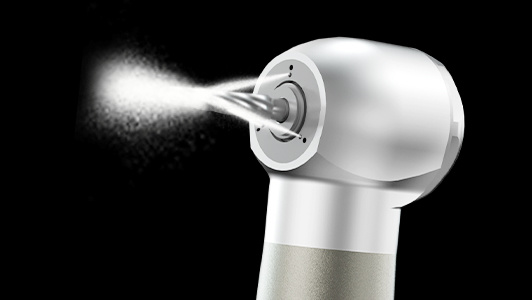
Ti1 M4/B2 (Mini Head)
4
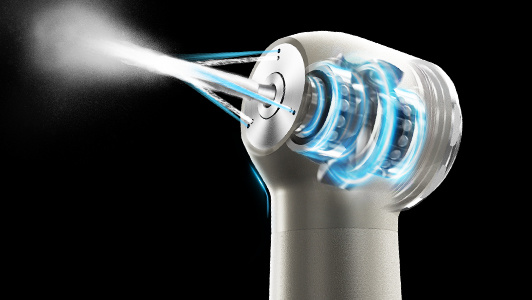
Ti2 M4/B2 (99° Head)
4

Ti3 M4/B2 (Torque Head)
4
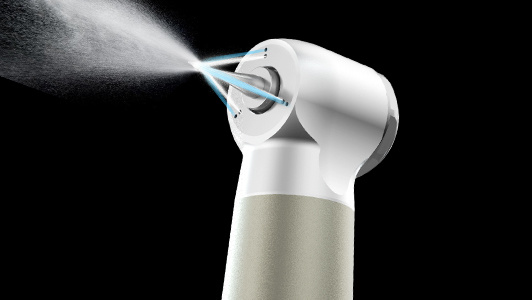
Ti4 M4/B2 (Super Mini Head)
4
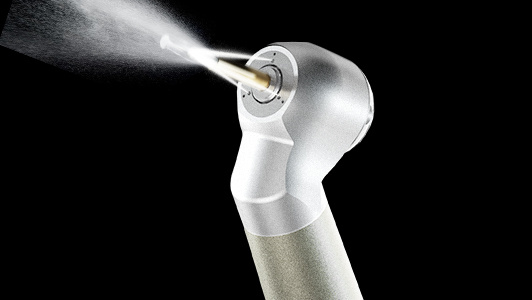
Ti45 M4/B2 (45°Head)
4
Max3 Series
M Series
C Series
Ti Low Speed Series
External Cooling
Internal Cooling
Dental Equipments
Handpiece Accessories
Contra Angle Head(Aluminum)
Contra Angle Head(Stainless Steel)
Endodontic File
-
-
-


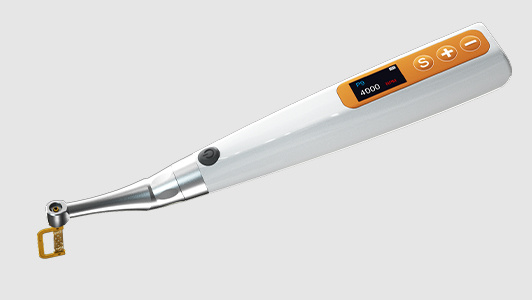
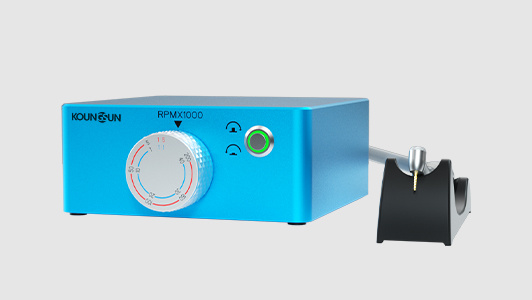


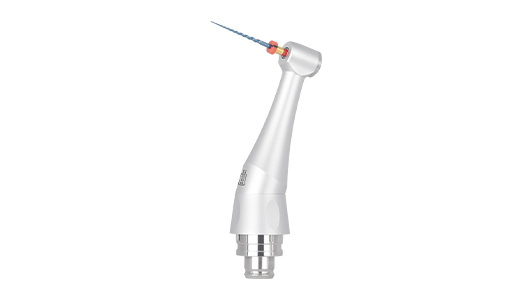
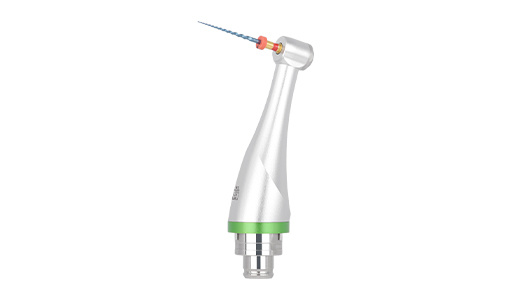
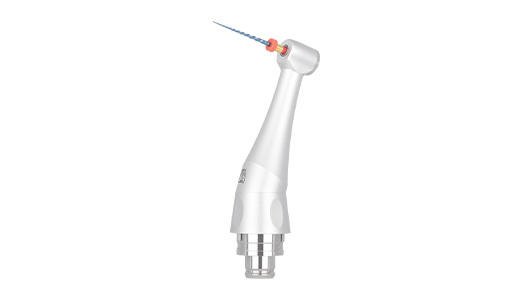
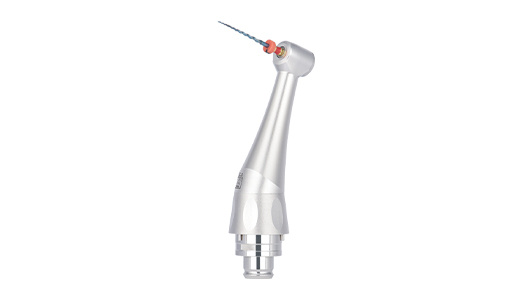
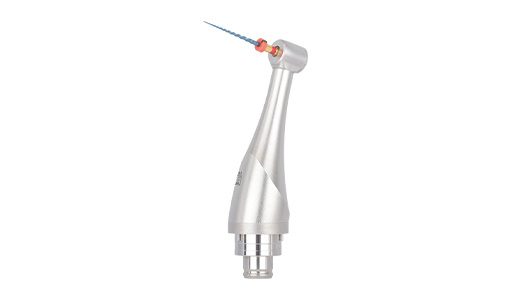
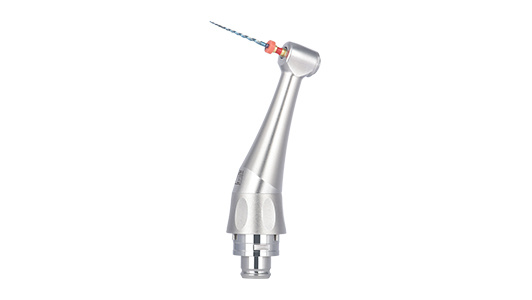
Distributor Service System Guide
2026-02-11
How a Spare Parts Strategy Increases Profitability and Customer Retention
In the dental equipment industry, many distributors focus primarily on unit sales. However, long-term profitability is rarely built on handpiece sales alone. The real engine of sustainable growth lies in a well-structured spare parts and after-sales system.
For high-speed and low-speed dental handpieces, components such as bearings, cartridges, and spray kits are consumable and service-critical parts. Distributors who manage spare parts efficiently gain stronger customer loyalty, faster service turnaround, and more stable recurring revenue.
This article explains:
Why spare parts define long-term distributor profitability
How to structure a strategic spare parts inventory
How spare parts increase customer retention
How manufacturers can support efficient after-sales workflows
1. Why Spare Parts Determine Long-Term Profit
One-Time Equipment Margin vs. Recurring Service Revenue
Complete handpiece sales are often:
Highly price-competitive
Sensitive to market fluctuations
Easily compared across brands
Once the initial sale is completed, distributors without service capability risk losing customers to third-party repair providers.
In contrast, spare parts and maintenance services offer:
Recurring revenue
Higher average margins
Strong technical dependency
Long-term customer relationships
In other words:
Equipment sales bring customers. Spare parts build sustainable profit.
2. Designing a Strategic Spare Parts Inventory
Many distributors face challenges such as:
Long repair turnaround times
Out-of-stock components
Excess capital tied up in slow-moving inventory
A structured three-tier inventory model can solve these issues.
Tier 1: High-Frequency Consumables (Must-Stock Items)
Examples:
Front and rear bearings
Spray kits
O-rings and seals
Recommendation:
Maintain inventory sufficient for 1–2 months of average repair demand.
Goal:
Complete routine repairs within 24–48 hours.
Tier 2: Medium-Frequency Structural Components
Examples:
Cartridges
Push-button systems
Rotor assemblies
Recommendation:
Replenish quarterly based on service volume.
Goal:
Avoid overseas delays for common structural repairs.
Tier 3: Low-Frequency Parts (On-Demand Supply)
Examples:
Housing components
Special internal mechanisms
Strategy:
Establish fast-response supply coordination with the manufacturer.
3. How Spare Parts Increase Customer Retention
Faster Repairs Build Trust
For dental clinics, equipment downtime directly impacts revenue. Distributors who can provide:
24–48 hour repair turnaround
Reliable, high-precision replacement parts
Transparent service records
significantly strengthen customer loyalty.
When service becomes reliable and predictable, customers are far less likely to switch suppliers.
Quality Spare Parts Reduce Long-Term Risk
Non-original or low-quality components often cause:
Increased vibration
Unstable power output
Shortened service life
Higher failure rates
Using precision-manufactured spare parts ensures stable performance and protects the clinic’s investment.
Manufacturers with strong precision machining foundations, such as KOUNGSUN Dental, focus on component consistency, durability, and compatibility. This level of quality control helps distributors reduce after-sales complaints and lower long-term service costs.
More information about precision dental handpieces and components can be found at:
https://www.koungsundental.com
For distributors, consistent product structure means:
Fewer service risks and stronger brand credibility.
4. Building an Efficient Manufacturer–Distributor Support System
A professional manufacturing partner should provide:
Standardized Spare Parts Lists
Clear exploded diagrams and model-matching references.
Technical Training Resources
Maintenance videos
Disassembly instructions
Troubleshooting guides
Flexible Replenishment Support
Small-batch orders
Separate spare parts shipments
Emergency supply options
Quality Traceability
Ensuring batch consistency and manufacturing precision.
A strong manufacturer partnership transforms spare parts management from a reactive task into a strategic advantage.
5. Example Profit Model (Distributor Perspective)
Assume a distributor sells 50 handpieces per month.
If 20% enter maintenance cycles within one year, and the average service margin per repair ranges between $30–80, this creates a steady and scalable after-sales revenue stream.
More importantly:
Customers who rely on your service system are more likely to repurchase equipment from you over the next 3–5 years.
This recurring cycle significantly exceeds the profit of one-time equipment sales.
6. The Strategic Role of Spare Parts
Spare parts are not merely after-sales accessories. They represent:
Customer control
Service authority
Cash flow stability
Market differentiation
Mature distributors do not only sell products — they provide reliable technical support systems.
In today’s competitive dental market, upgrading from product seller to service-oriented partner is essential. A well-designed spare parts strategy is the foundation of that transformation.
Related News
Contact Us
Email:
info@koungsundental.com
Hotline:
+86-0757-81011906
Company Address:
4th floor, B elevator, Building F3, New Light Source Industrial Base, Nanhai District, Foshan City, Guangdong Province
Online Message
Leave us a message and get access to exclusive offers, product updates, and expert advice tailored just for you!
Contact Email:
Copyright © 2024 Foshan Koungsun Medical Technology Co., Ltd. SEO Powered By: 300.cn Privacy Policy
SAF Coolest v1.3.1.2 设置面板 GAGSD-ZGYF-JQZQE-ZZQ
V1.3.1 SVG图标库请自行添加图标,用div包起来,并命名使用

Get in touch
Are you interested in our products or services? Contact us immediately, our experts will provide you with professional services!
*Please leave your specific personal information, and we will have a product consultant contact you later
Address
4th floor,B Elevator,Building F3,New Light Source Industrial Base,Nanhai District,Foshan City,Guangdong Province,China