

-
Ti Series
Ti Classic Series
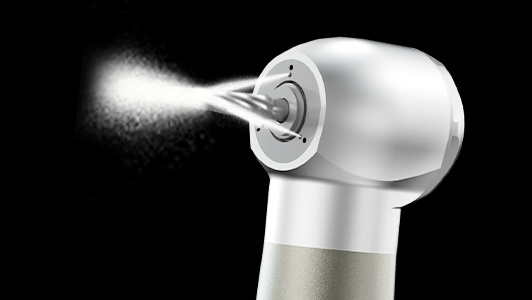
Ti1 M4/B2 (Mini Head)
4
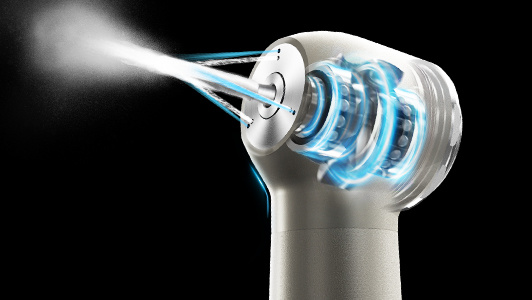
Ti2 M4/B2 (99° Head)
4

Ti3 M4/B2 (Torque Head)
4
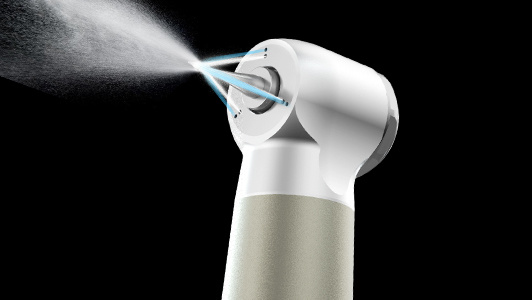
Ti4 M4/B2 (Super Mini Head)
4
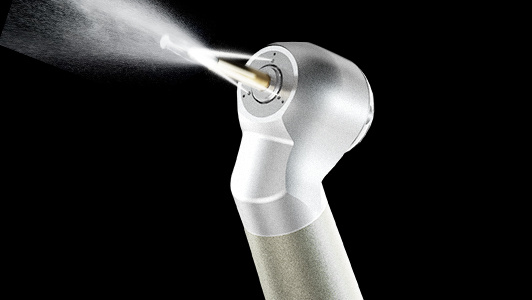
Ti45 M4/B2 (45°Head)
4
Max3 Series
M Series
C Series
Ti Low Speed Series
External Cooling
Internal Cooling
Dental Equipments
Handpiece Accessories
Contra Angle Head(Aluminum)
Contra Angle Head(Stainless Steel)
Endodontic File
-
-
-

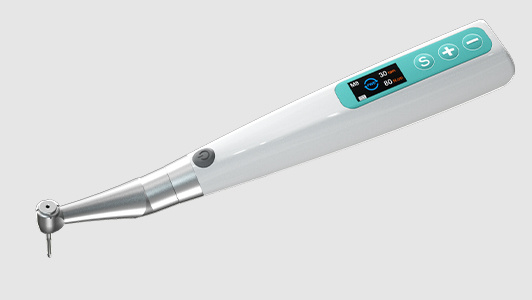
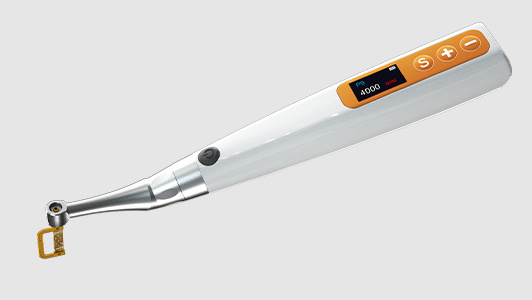
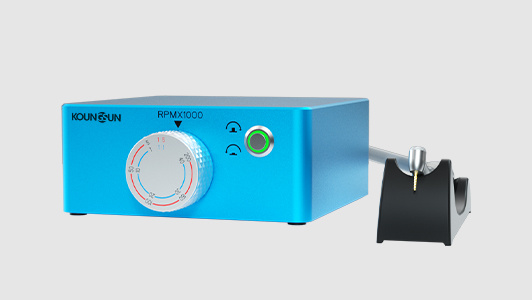


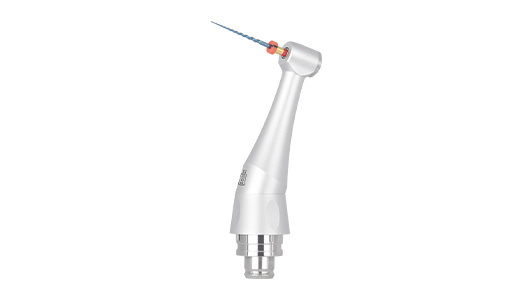
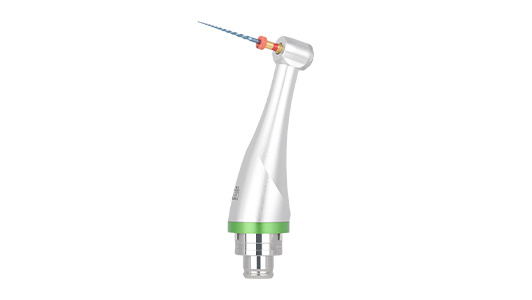
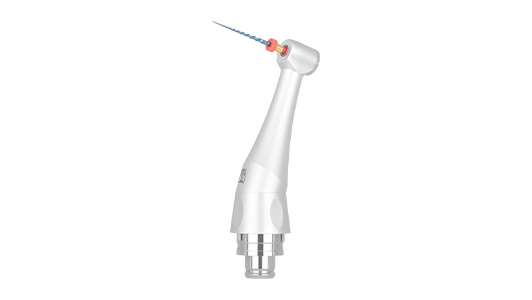
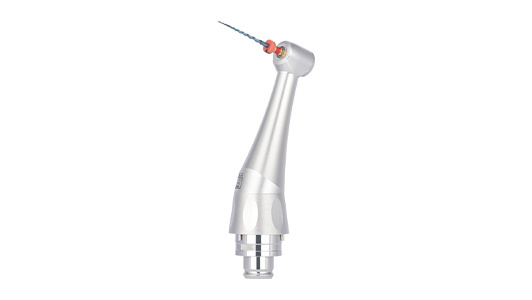
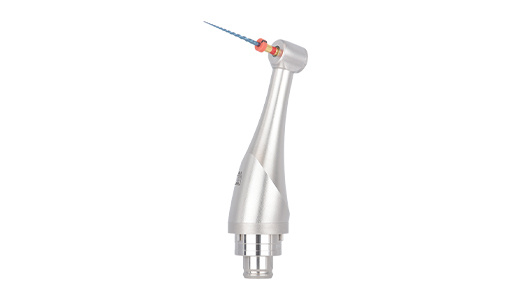
How to Reduce Equipment Downtime in Busy Dental Clinics
2026-08-06
Introduction
For busy dental clinics, equipment downtime is more than an inconvenience—it directly affects productivity, patient satisfaction, and revenue.
When a high-speed handpiece stops working in the middle of a procedure or an endodontic motor suddenly fails, appointments may need to be delayed or rescheduled. These interruptions not only increase operational costs but can also damage patient trust.
Reducing equipment downtime has become a priority for modern dental practices. By implementing preventive maintenance programs, improving staff training, and partnering with reliable suppliers, clinics can keep their equipment running efficiently and minimize unexpected disruptions.
The Real Cost of Equipment Downtime
Many clinics underestimate the impact of equipment failure.
Unexpected downtime can result in:
- Appointment cancellations
- Lower daily productivity
- Emergency repair costs
- Increased pressure on staff
- Patient dissatisfaction
- Lost revenue
For large clinics that treat dozens of patients every day, even a few hours of downtime can create significant operational challenges.
Common Causes of Equipment Downtime
Understanding why equipment fails is the first step toward preventing problems.
The most common causes include:
Lack of Preventive Maintenance
Many clinics wait until equipment breaks down before performing maintenance.
Unfortunately, this approach often leads to more expensive repairs and longer downtime.
Improper Cleaning and Sterilization
Incorrect cleaning procedures can damage internal components and shorten the lifespan of dental instruments.
Delayed Replacement of Wear Parts
Components such as cartridges, bearings, O-rings, and spray nozzles naturally wear over time.
Ignoring early warning signs can result in major equipment failures.
Insufficient Staff Training
Even high-quality equipment can fail prematurely if staff members are not trained to use and maintain it correctly.
Limited Spare Parts Availability
Waiting for replacement parts can significantly increase repair time and disrupt clinic operations.
Seven Practical Strategies to Reduce Equipment Downtime
1. Implement a Preventive Maintenance Schedule
Preventive maintenance is one of the most effective ways to reduce unexpected failures.
Clinics should establish regular schedules for:
- Cleaning
- Lubrication
- Sterilization checks
- Component inspection
- Performance testing
Routine maintenance helps identify potential issues before they become serious problems.
2. Train Staff on Proper Equipment Handling
Every team member should understand how to operate and maintain dental equipment correctly.
Training should cover:
- Daily cleaning procedures
- Lubrication methods
- Sterilization requirements
- Basic troubleshooting
- Equipment storage
Well-trained staff can significantly reduce equipment damage caused by human error.
3. Maintain Spare Equipment
Busy clinics should always keep backup equipment available.
Examples include:
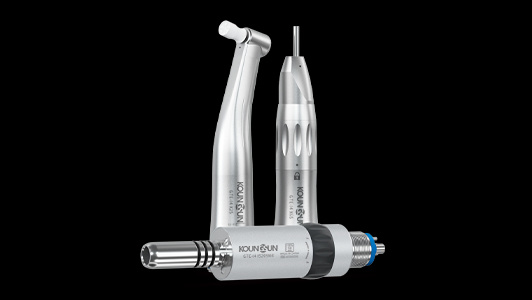
- High-speed handpieces
- Low-speed handpieces
- Contra angles
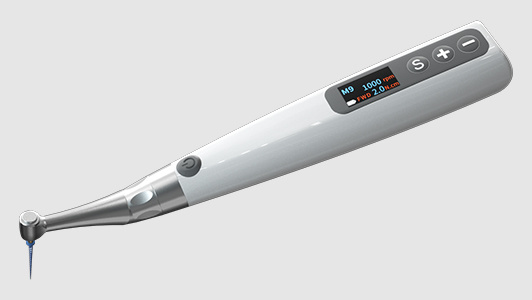
- Endodontic motors
Having spare units ensures that treatments can continue even if equipment requires maintenance.
4. Replace Wear Parts Before Failure
Preventive replacement is often less expensive than emergency repair.
Components that should be monitored regularly include:
- Cartridges
- Bearings
- O-rings
- Water spray components
Replacing these parts proactively helps maintain consistent performance.
5. Build a Spare Parts Inventory
Maintaining essential spare parts on-site can dramatically reduce downtime.
Clinics should consider stocking:
- Cartridges
- Bearings
- O-rings
- Maintenance kits
- Spray nozzles
Quick access to replacement parts allows repairs to be completed much faster.
6. Monitor Equipment Performance
Early signs of equipment wear often include:
- Increased vibration
- Unusual noise
- Reduced cutting efficiency
- Weak water spray
- Overheating
Recording and monitoring these changes helps clinics detect issues before they cause major failures.
7. Partner with Reliable Manufacturers and Distributors
Choosing the right supplier is essential for minimizing downtime.
Reliable manufacturers provide:
- Consistent product quality
- Fast spare parts supply
- Technical support
- Maintenance guidance
- Professional after-sales service
Strong supplier partnerships help clinics resolve problems more efficiently.
How Digital Equipment Management Improves Efficiency
More clinics are adopting digital systems to track equipment maintenance and performance.
Digital management tools can help clinics:
- Schedule maintenance automatically
- Record repair history
- Monitor equipment usage
- Manage spare parts inventory
- Improve operational planning
As dentistry becomes increasingly digital, data-driven equipment management will play a larger role in reducing downtime.
The Role of High-Quality Equipment
Although maintenance is important, equipment quality remains the foundation of reliability.
High-quality dental equipment typically offers:
- Better durability
- Lower vibration
- More stable performance
- Longer service life
- Reduced maintenance requirements
Investing in reliable products can significantly reduce long-term operating costs.
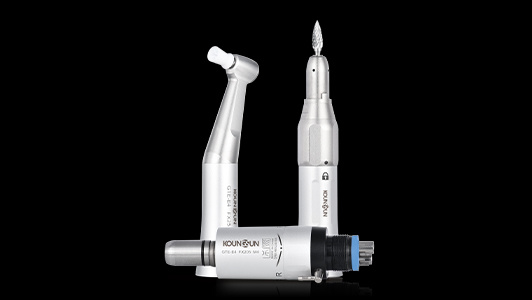
KOUNGSUN offers a complete range of dental equipment designed for durability and clinical efficiency.
Explore our product portfolio:
https://www.koungsundental.com/
High-speed dental handpieces:
https://www.koungsundental.com/products_list/2.html
Benefits of Reducing Equipment Downtime
Clinics that successfully minimize downtime often experience:
- Higher productivity
- Improved patient satisfaction
- Lower repair costs
- Better staff efficiency
- Increased profitability
Reliable equipment allows dental teams to focus on what matters most—delivering excellent patient care.
Conclusion
Equipment downtime is inevitable, but it can be significantly reduced through preventive maintenance, staff training, spare parts planning, and strong supplier partnerships.
Busy dental clinics that invest in proactive equipment management will benefit from smoother workflows, lower operating costs, and better patient experiences.
Reducing downtime is not simply a maintenance issue—it is a long-term strategy for building a more efficient and successful dental practice.
Related News
Contact Us
Email:
info@koungsundental.com
Hotline:
+86-0757-81011906
Company Address:
4th floor, B elevator, Building F3, New Light Source Industrial Base, Nanhai District, Foshan City, Guangdong Province
Online Message
Leave us a message and get access to exclusive offers, product updates, and expert advice tailored just for you!
Contact Email:
Copyright © 2024 Foshan Koungsun Medical Technology Co., Ltd. SEO Powered By: 300.cn Privacy Policy
SAF Coolest v1.3.1.2 设置面板 GAGSD-ZGYF-JQZQE-ZZQ
V1.3.1 SVG图标库请自行添加图标,用div包起来,并命名使用

Get in touch
Are you interested in our products or services? Contact us immediately, our experts will provide you with professional services!
*Please leave your specific personal information, and we will have a product consultant contact you later
Address
No. 02 Industrial Plant, 4th Floor, 3rd Building,F Zone, Guangdong New Lighting Source Industrial Base, Langsha, Luocun, Shishan Town, Nanhai District, Foshan City, Guangdong Province, China