

-
Ti Series
Ti Classic Series
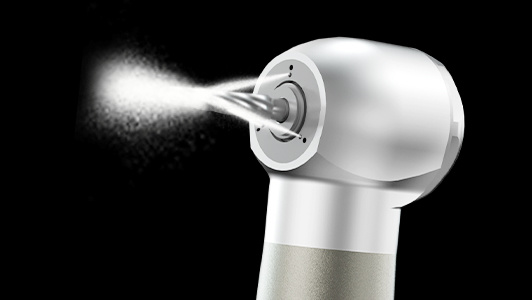
Ti1 M4/B2 (Mini Head)
4
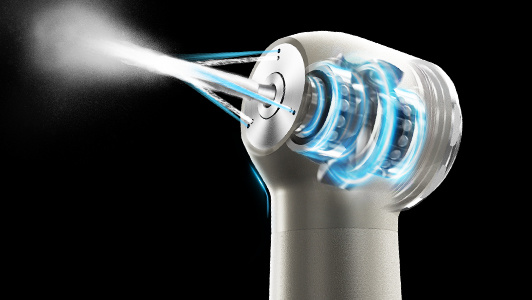
Ti2 M4/B2 (99° Head)
4

Ti3 M4/B2 (Torque Head)
4
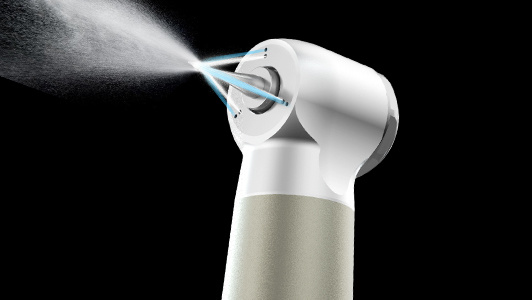
Ti4 M4/B2 (Super Mini Head)
4
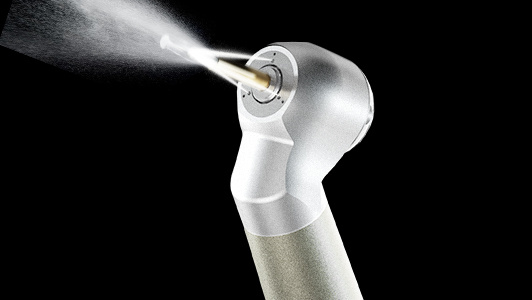
Ti45 M4/B2 (45°Head)
4
Max3 Series
M Series
C Series
Ti Low Speed Series
External Cooling
Internal Cooling
Dental Equipments
Handpiece Accessories
Contra Angle Head(Aluminum)
Contra Angle Head(Stainless Steel)
Endodontic File
-
-
-




How Preventive Maintenance Can Double the Life of a Dental Handpiece
2026-07-29
Introduction
A high-quality dental handpiece is a valuable investment for every dental clinic. However, even the best handpiece can experience premature wear if it is not maintained correctly.
Many handpiece failures—including bearing damage, reduced cutting efficiency, excessive vibration, and overheating—are not caused by manufacturing defects but by improper maintenance.
Preventive maintenance helps clinics maximize equipment lifespan, reduce unexpected downtime, and maintain consistent clinical performance. For distributors, educating customers on proper maintenance can also reduce warranty claims and strengthen long-term customer relationships.
Why Preventive Maintenance Matters
Dental handpieces operate at extremely high rotational speeds, often exceeding 300,000 RPM.
During daily use, they are exposed to:
- Blood and saliva
- Water and compressed air
- High temperatures during sterilization
- Mechanical stress
- Continuous high-speed rotation
Without proper maintenance, internal components gradually wear out, reducing both performance and service life.
A preventive maintenance routine protects these components and helps maintain optimal operating conditions.
Common Causes of Premature Handpiece Failure
Understanding why handpieces fail is the first step toward preventing problems.
Common causes include:
Insufficient Lubrication
Lack of lubrication increases friction between moving components, accelerating wear on bearings and turbines.
Incorrect Cleaning Procedures
Debris left inside the handpiece may damage internal mechanisms and reduce cooling efficiency.
Improper Sterilization
Failure to follow the recommended sterilization process may shorten the lifespan of seals, bearings, and other internal parts.
Worn Burs
Bent or damaged burs create imbalance, increasing vibration and placing additional stress on the turbine.
Delayed Replacement of Wear Parts
Ignoring early signs of wear can lead to more extensive—and more expensive—repairs.
Five Preventive Maintenance Practices Every Clinic Should Follow
1. Clean the Handpiece Immediately After Each Procedure
Contaminants should never remain inside the handpiece.
After each patient:
- Remove the bur
- Flush debris from the water and air channels
- Clean the exterior surface
- Follow the manufacturer's cleaning recommendations
Timely cleaning reduces contamination and protects internal components.
2. Lubricate Before Sterilization
Proper lubrication is one of the simplest and most effective maintenance practices.
Benefits include:
- Reduced internal friction
- Smoother turbine rotation
- Lower operating temperature
- Extended bearing life
- Improved overall performance
Always use lubricants recommended for your specific handpiece model.
3. Follow the Correct Sterilization Procedure
Autoclaving is essential for infection control, but improper sterilization can damage equipment.
Best practices include:
- Sterilize only after cleaning and lubrication
- Follow the recommended temperature and cycle time
- Allow the handpiece to cool naturally before reuse
- Avoid exceeding the manufacturer's sterilization limits
Proper sterilization protects both patients and equipment.
4. Inspect Components Regularly
Routine inspections help identify wear before serious failures occur.
Pay attention to:
- Unusual vibration
- Increased noise
- Reduced cutting power
- Water spray performance
- Bur retention
- Temperature during operation
Early maintenance is almost always less costly than major repairs.
5. Replace Wear Parts Before Failure
Components such as bearings, cartridges, O-rings, and spray nozzles have a finite service life.
Replacing them proactively helps prevent:
- Unexpected downtime
- Costly repairs
- Interrupted patient schedules
- Reduced clinical efficiency
Using genuine replacement parts also helps maintain performance and reliability.
How Preventive Maintenance Benefits Dental Clinics
Implementing a preventive maintenance program offers several advantages:
Improved Clinical Performance
Well-maintained handpieces provide:
- Stable cutting power
- Lower vibration
- Better cooling
- More consistent operation
Reduced Operating Costs
Preventive maintenance minimizes emergency repairs and extends equipment lifespan, lowering the total cost of ownership.
Better Patient Experience
Reliable handpieces help ensure smoother treatments with less noise, vibration, and interruption.
Higher Productivity
Clinics spend less time dealing with equipment failures and more time focusing on patient care.
Why Maintenance Education Matters for Distributors
Distributors can create additional value by helping customers maintain their equipment.
Providing maintenance guidance:
- Reduces warranty claims
- Builds customer trust
- Encourages repeat purchases
- Strengthens long-term partnerships
Offering educational materials, maintenance schedules, and spare parts support can become a key competitive advantage.
KOUNGSUN Supports Long-Term Handpiece Performance
KOUNGSUN designs dental handpieces with durability, precision, and ease of maintenance in mind.
Our high-speed handpieces feature:
- Precision-balanced turbines
- High-quality bearings
- Efficient cooling systems
- Ergonomic lightweight designs
- Reliable long-term performance
Explore our complete range of high-speed dental handpieces:
https://www.koungsundental.com/products_list/2.html
Need OEM or private-label solutions?
Learn more about our OEM & ODM services:
https://www.koungsundental.com/customized.html
Building a Preventive Maintenance Culture
Preventive maintenance should not be viewed as an occasional task—it should become part of the clinic's daily workflow.
Simple maintenance routines performed consistently can dramatically improve equipment reliability and reduce long-term operating costs.
Training dental staff on proper maintenance procedures also ensures consistent care across the entire clinic.
Conclusion
Preventive maintenance is one of the most effective ways to maximize the value of a dental handpiece.
Through proper cleaning, lubrication, sterilization, routine inspection, and timely replacement of wear parts, clinics can significantly extend equipment lifespan while maintaining excellent clinical performance.
For distributors, helping customers implement effective maintenance practices not only reduces after-sales issues but also builds stronger relationships and increases customer loyalty.
Investing a few minutes in maintenance today can save significant time and cost in the future.
Related News
Contact Us
Email:
info@koungsundental.com
Hotline:
+86-0757-81011906
Company Address:
4th floor, B elevator, Building F3, New Light Source Industrial Base, Nanhai District, Foshan City, Guangdong Province
Online Message
Leave us a message and get access to exclusive offers, product updates, and expert advice tailored just for you!
Contact Email:
Copyright © 2024 Foshan Koungsun Medical Technology Co., Ltd. SEO Powered By: 300.cn Privacy Policy
SAF Coolest v1.3.1.2 设置面板 GAGSD-ZGYF-JQZQE-ZZQ
V1.3.1 SVG图标库请自行添加图标,用div包起来,并命名使用

Get in touch
Are you interested in our products or services? Contact us immediately, our experts will provide you with professional services!
*Please leave your specific personal information, and we will have a product consultant contact you later
Address
No. 02 Industrial Plant, 4th Floor, 3rd Building,F Zone, Guangdong New Lighting Source Industrial Base, Langsha, Luocun, Shishan Town, Nanhai District, Foshan City, Guangdong Province, China