

-
Ti Series
Ti Classic Series
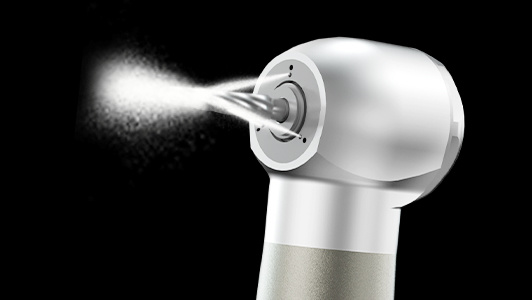
Ti1 M4/B2 (Mini Head)
4
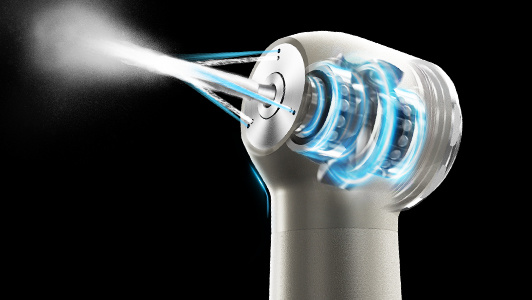
Ti2 M4/B2 (99° Head)
4

Ti3 M4/B2 (Torque Head)
4
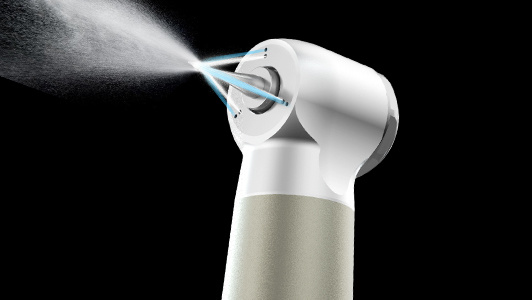
Ti4 M4/B2 (Super Mini Head)
4
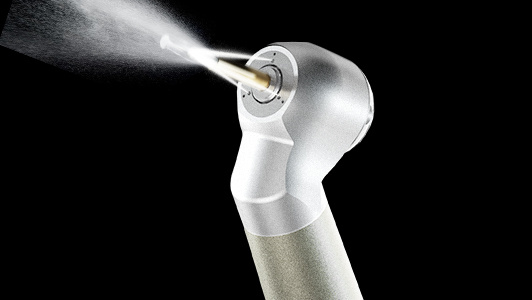
Ti45 M4/B2 (45°Head)
4
Max3 Series
M Series
C Series
Ti Low Speed Series
External Cooling
Internal Cooling
Dental Equipments
Handpiece Accessories
Contra Angle Head(Aluminum)
Contra Angle Head(Stainless Steel)
Endodontic File
-
-
-



Why Shade Mismatch Leads to Expensive Dental Remakes — And How Digital Shade Matching Helps
2026-06-11
Introduction
In restorative and cosmetic dentistry, patients often judge treatment success by one simple question:
"Does it match my natural teeth?"
Even when a restoration fits perfectly, a noticeable color difference can lead to patient dissatisfaction, additional chair time, and costly remakes.
As patient expectations continue to rise, shade matching has become one of the most important factors affecting restorative outcomes. Yet many clinics still rely on traditional visual shade guides, which can be influenced by lighting conditions, operator perception, and environmental factors.
Digital shade matching technology offers a more objective approach that helps clinics improve consistency and reduce costly errors.
The Hidden Cost of Shade Mismatch
A restoration remake involves much more than replacing a crown or veneer.
Potential costs include:
- Additional chair time
- Laboratory remake fees
- Delayed case delivery
- Increased staff workload
- Reduced patient confidence
For high-volume restorative clinics, even a small reduction in remakes can significantly improve profitability and workflow efficiency.
Why Traditional Shade Matching Can Be Inconsistent
Visual shade selection has been the standard method for decades, but it relies heavily on human perception.
Several factors can influence the final result:
Lighting Conditions
The same tooth may appear different under:
- Natural daylight
- LED operatory lighting
- Laboratory lighting
This inconsistency often creates communication challenges between clinics and laboratories.
Human Color Perception
Color perception varies from person to person.
Even experienced clinicians may interpret tooth shades differently, especially when dealing with subtle aesthetic cases. Research and industry experience show that human factors remain one of the biggest sources of shade variation.
Environmental Factors
Moisture, shadows, and limited intraoral access can further complicate shade determination.
These variables increase the likelihood of inaccurate shade communication.
How Digital Shade Matching Improves Accuracy
Digital shade matching devices use optical sensors and color analysis technology to measure tooth color objectively.
Instead of relying solely on visual judgment, the device provides measurable shade data that can be communicated consistently to laboratories.
Benefits include:
- Objective shade measurement
- Improved repeatability
- Reduced operator variability
- Better laboratory communication
- More predictable aesthetic outcomes
Digital systems are increasingly being adopted by clinics seeking greater consistency in restorative dentistry.
Faster Results, Better Workflow
Efficiency is another advantage of digital shade technology.
Modern devices can provide shade information almost instantly, allowing clinicians to:
- Reduce consultation time
- Improve case documentation
- Streamline communication with technicians
- Increase productivity
The E220 Digital Shade Matching Device provides results in approximately one second and is compatible with both VITA Classical and VITA 3D-Master shade systems.
Supporting Better Lab Communication
One of the most common causes of restoration remakes is miscommunication between clinics and laboratories.
Digital shade matching helps create a standardized reference that can be shared with technicians.
This improves:
- Shade consistency
- Restoration acceptance rates
- Workflow efficiency
- Overall treatment predictability
For laboratories, objective shade data often reduces guesswork and adjustment requirements.
A Practical Solution for Modern Dentistry
The KOUNGSUN Digital Shade Matching Device E220 is designed to help clinicians achieve more accurate and repeatable shade selection.
Key advantages include:
- Up to 98% shade matching accuracy
- Instant measurement results
- Reliable performance in dark and moist environments
- Compatibility with VITA Classical and VITA 3D-Master systems
- User-friendly operation
Product Details:
https://www.koungsundental.com/products/E220.html
These features help clinics reduce remakes while improving patient satisfaction and workflow efficiency.
Why Digital Shade Matching Is Becoming Standard
Digital dentistry continues to expand through technologies such as:
- CAD/CAM restorations
- Intraoral scanning
- Digital smile design
- 3D printing
Digital shade matching naturally complements these workflows by providing accurate color information that supports predictable restorative outcomes.
Clinics that adopt digital shade technology are often better positioned to deliver consistent aesthetic results while reducing operational inefficiencies.
Conclusion
Shade mismatch remains one of the most common causes of restoration remakes, affecting both profitability and patient satisfaction.
By replacing subjective visual estimation with objective digital measurement, clinics can improve accuracy, strengthen laboratory communication, and reduce costly adjustments.
As restorative dentistry becomes increasingly digital, tools such as the E220 Digital Shade Matching Device are helping clinicians achieve more predictable and efficient aesthetic outcomes.
Related News
Contact Us
Email:
info@koungsundental.com
Hotline:
+86-0757-81011906
Company Address:
4th floor, B elevator, Building F3, New Light Source Industrial Base, Nanhai District, Foshan City, Guangdong Province
Online Message
Leave us a message and get access to exclusive offers, product updates, and expert advice tailored just for you!
Contact Email:
Copyright © 2024 Foshan Koungsun Medical Technology Co., Ltd. SEO Powered By: 300.cn Privacy Policy
SAF Coolest v1.3.1.2 设置面板 GAGSD-ZGYF-JQZQE-ZZQ
V1.3.1 SVG图标库请自行添加图标,用div包起来,并命名使用

Get in touch
Are you interested in our products or services? Contact us immediately, our experts will provide you with professional services!
*Please leave your specific personal information, and we will have a product consultant contact you later
Address
No. 02 Industrial Plant, 4th Floor, 3rd Building,F Zone, Guangdong New Lighting Source Industrial Base, Langsha, Luocun, Shishan Town, Nanhai District, Foshan City, Guangdong Province, China