

-
Ti Series
Ti Classic Series
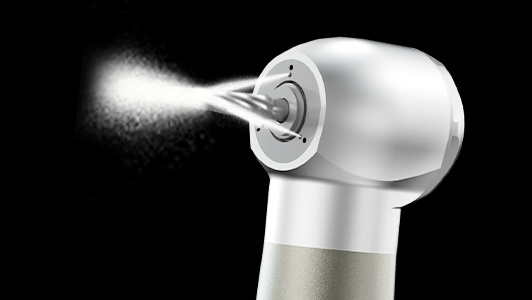
Ti1 M4/B2 (Mini Head)
4
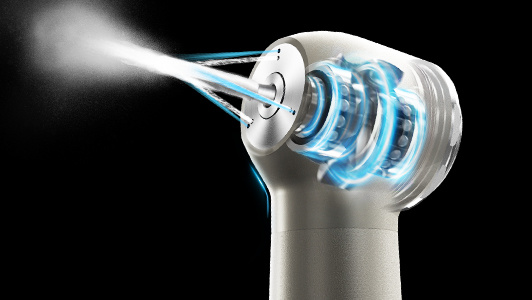
Ti2 M4/B2 (99° Head)
4

Ti3 M4/B2 (Torque Head)
4
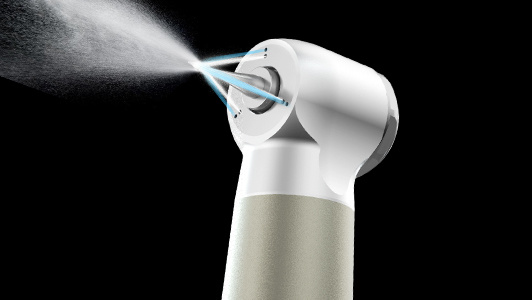
Ti4 M4/B2 (Super Mini Head)
4
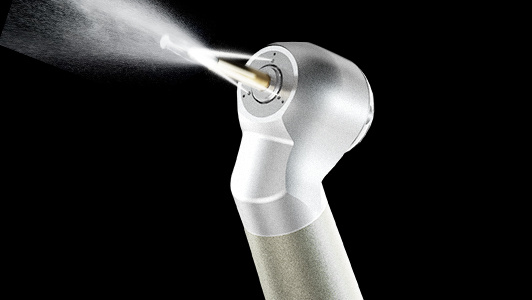
Ti45 M4/B2 (45°Head)
4
Max3 Series
M Series
C Series
Ti Low Speed Series
External Cooling
Internal Cooling
Dental Equipments
Handpiece Accessories
Contra Angle Head(Aluminum)
Contra Angle Head(Stainless Steel)
Endodontic File
-
-
-



Common Handpiece Issues That Lead to Returns — and How to Prevent Them
2026-01-09
For dental equipment distributors, product returns are more than an operational inconvenience — they directly impact profit margins, customer trust, and brand reputation. Dental handpieces, as high-frequency and high-precision tools, are especially sensitive to misuse, mismatched expectations, and maintenance errors.
Understanding the most common handpiece issues that lead to returns — and knowing how to prevent them — is essential for distributors aiming to build sustainable and low-risk businesses.
1. Premature Bearing or Cartridge Failure
The Issue
One of the most frequent causes of handpiece returns is early bearing or cartridge failure, often reported as:
Excessive noise
Vibration
Reduced rotational speed
How to Prevent It
Select handpieces with proven bearing quality and stable cartridge design
Match product durability to clinic workload
Educate clinics on proper lubrication and sterilization intervals
Preventing early mechanical wear significantly reduces warranty claims.
2. Overheating During Clinical Use
The Issue
Overheating can damage both the handpiece and tooth structure, leading clinics to return products they believe are defective.
How to Prevent It
Recommend handpieces with efficient internal cooling and water spray systems
Ensure clinics use compatible burs and proper air pressure
Avoid overselling entry-level handpieces to high-volume clinics
Correct product selection plays a key role in preventing heat-related complaints.
3. Noise and Vibration Complaints
The Issue
Even when performance is technically acceptable, excessive noise or vibration can result in dissatisfaction and returns.
How to Prevent It
Choose handpieces with good balance and precision assembly
Set clear expectations for different product tiers (entry vs premium)
Encourage clinics to report early signs of abnormal vibration
Addressing comfort-related concerns helps reduce subjective return requests.
4. Inconsistent Performance After Sterilization
The Issue
Many returns occur after repeated autoclave cycles, when clinics notice reduced performance or component failure.
How to Prevent It
Select handpieces designed for frequent sterilization
Provide clear maintenance and lubrication guidelines
Educate clinics on correct sterilization temperatures and cycles
Misuse during sterilization is a common but preventable cause of failure.
5. Incorrect Bur Installation and Usage
The Issue
Improper bur insertion can damage internal components, leading to poor cutting performance or mechanical failure.
How to Prevent It
Offer handpieces with reliable chuck mechanisms
Train clinics on correct bur insertion and removal
Encourage regular inspection of chuck wear
Reducing user-related damage directly lowers unnecessary returns.
6. Mismatch Between Product Level and Clinic Needs
The Issue
Returns often happen when a handpiece is pushed beyond its intended usage level — for example, entry-level models used in high-volume clinics.
How to Prevent It
Apply clear product tiering (entry / mid / premium)
Assess clinic workload before recommending products
Communicate realistic performance expectations
Proper positioning reduces dissatisfaction and protects distributor credibility.
7. Lack of Spare Parts or Service Support
The Issue
Clinics may request returns simply because repairs take too long or spare parts are unavailable.
How to Prevent It
Work with manufacturers that offer stable spare part supply
Stock essential cartridges and bearings locally
Set up a clear after-sales workflow
Fast service often prevents a return from happening at all.
Conclusion
Most handpiece returns are not caused by manufacturing defects alone — they are the result of poor product matching, insufficient training, or unclear expectations. By selecting reliable handpieces, educating clinics, and aligning product performance with real-world usage, distributors can significantly reduce return rates.
Lower returns mean lower costs, stronger trust, and long-term growth.
Contact Us
Email:
info@koungsundental.com
Hotline:
+86-0757-81011906
Company Address:
4th floor, B elevator, Building F3, New Light Source Industrial Base, Nanhai District, Foshan City, Guangdong Province
Online Message
Leave us a message and get access to exclusive offers, product updates, and expert advice tailored just for you!
Contact Email:
Copyright © 2024 Foshan Koungsun Medical Technology Co., Ltd. SEO Powered By: 300.cn Privacy Policy
SAF Coolest v1.3.1.2 设置面板 GAGSD-ZGYF-JQZQE-ZZQ
V1.3.1 SVG图标库请自行添加图标,用div包起来,并命名使用

Get in touch
Are you interested in our products or services? Contact us immediately, our experts will provide you with professional services!
*Please leave your specific personal information, and we will have a product consultant contact you later
Address
No. 02 Industrial Plant, 4th Floor, 3rd Building,F Zone, Guangdong New Lighting Source Industrial Base, Langsha, Luocun, Shishan Town, Nanhai District, Foshan City, Guangdong Province, China